A History Written by the Sea: How the Aegean Shaped the Island of Paros
How the Aegean shaped Paros: Parian marble and the Venus de Milo, Byzantine sea trade, Naoussa and Paroikia harbours, and the sanctuary of Apollo on Despotiko.

The Aegean Edit, No. 01
In some places the sea is part of the landscape. In others, the sea has shaped everything. Paros is one of the second kind.
Long before its whitewashed villages, harbours and beaches became the picture of a Greek island holiday, Paros was home to sailors, merchants, craftsmen and explorers. Its identity came from the land under its feet and from the blue all around it.
For centuries the Aegean has linked Paros to distant shores, carrying people, ideas, traditions and stories. The island has changed over the generations, but its bond with the sea matters as much today as it did thousands of years ago.
To understand Paros, you have to understand the water around it.
Where is Paros in the Aegean?
Geography has always shaped the story of Paros. The island sits in the central Cyclades, among some of the most historically important places in the Aegean. In antiquity, the surrounding waters were sea routes linking islands, settlements and trading communities across the Greek world.
The sea did not divide these places. It brought them together. Through trade and travel, the Cyclades became part of a wider network of cultural and commercial exchange. Goods moved between ports, and ideas, artistic influences and traditions travelled from island to island. We trace some of these routes in the ancient sea routes of the Cyclades.
For Paros, these links helped build a rich cultural identity that still shows in the island’s archaeology, architecture and traditions. Arriving by sea today gives you a small sense of that history. As the coast comes into view, it is easy to picture the many journeys that followed similar routes over the centuries.
Why was Parian marble so famous?
One of the island’s best-known gifts to the ancient world was its marble. Prized for its fine texture and translucency, Parian marble was sought after by sculptors and craftsmen throughout antiquity. It was cut from the island’s quarries, shipped across the sea and used for some of the most admired works of classical sculpture.
The Venus de Milo, for example, is made from Parian marble. Behind works like this is another story: the sea routes that carried the island’s treasures far from its shores. Ships moved marble, goods and local crafts between communities, connecting Paros with the wider Mediterranean.
The island’s art and its maritime history grew up together, shaped by people and materials moving across the Aegean. That bond between land and sea is still one of the most interesting parts of the island’s character. You can read more about it in the ancient history of Paros and its connection to the sea.
Harbours, traditions and life by the water
As the centuries passed, Paros kept changing, but its tie to the sea stayed the same. In the Byzantine period, sea links connected the island with other parts of the eastern Mediterranean. Archaeological finds, including imported ceramics from Asia Minor, Cyprus and North Africa, show how these networks shaped daily life.
Over time, coastal settlements and fishing communities built their own traditions, a way of life tied to the seasons and the moods of the Aegean. You can still feel it in Naoussa and Paroikia, where traditional fishing boats rest along the waterfront and the harbour is still where people gather. Early mornings bring the quiet work of local fishermen, and afternoons invite you to linger over a long lunch by the water.
Modern travel has changed a lot, but the relationship between the island and its waters still defines it.
What is Despotiko known for?
Just southwest of Antiparos lies Despotiko, a small uninhabited island that offers a rare look into the ancient Cyclades. Archaeologists have uncovered an important sanctuary of Apollo there, established by Paros in the sixth century BC. Its location reflects the island’s historical influence and how much sea connections mattered in the region.
Today Despotiko is surrounded by dramatic coastline and clear Aegean water, a place where natural beauty and ancient history meet. It is a reminder that some of the most interesting stories in the Cyclades lie beyond the familiar shores. Our guide to Antiparos by sea covers the waters around it.
Seeing the Aegean from a different angle
The history of Paros is not locked away in museums or archaeological sites. It lives in the harbours, the villages, the traditional boats and the bond the islanders still share with the sea.
If you are visiting today, seeing the coast by boat gives you a different view of that connection. From the sheltered waters of Antiparos to the historic setting of Despotiko, every trip shows you another side of the Cyclades. Our Paros, Antiparos and Despotiko cruise follows exactly that route.
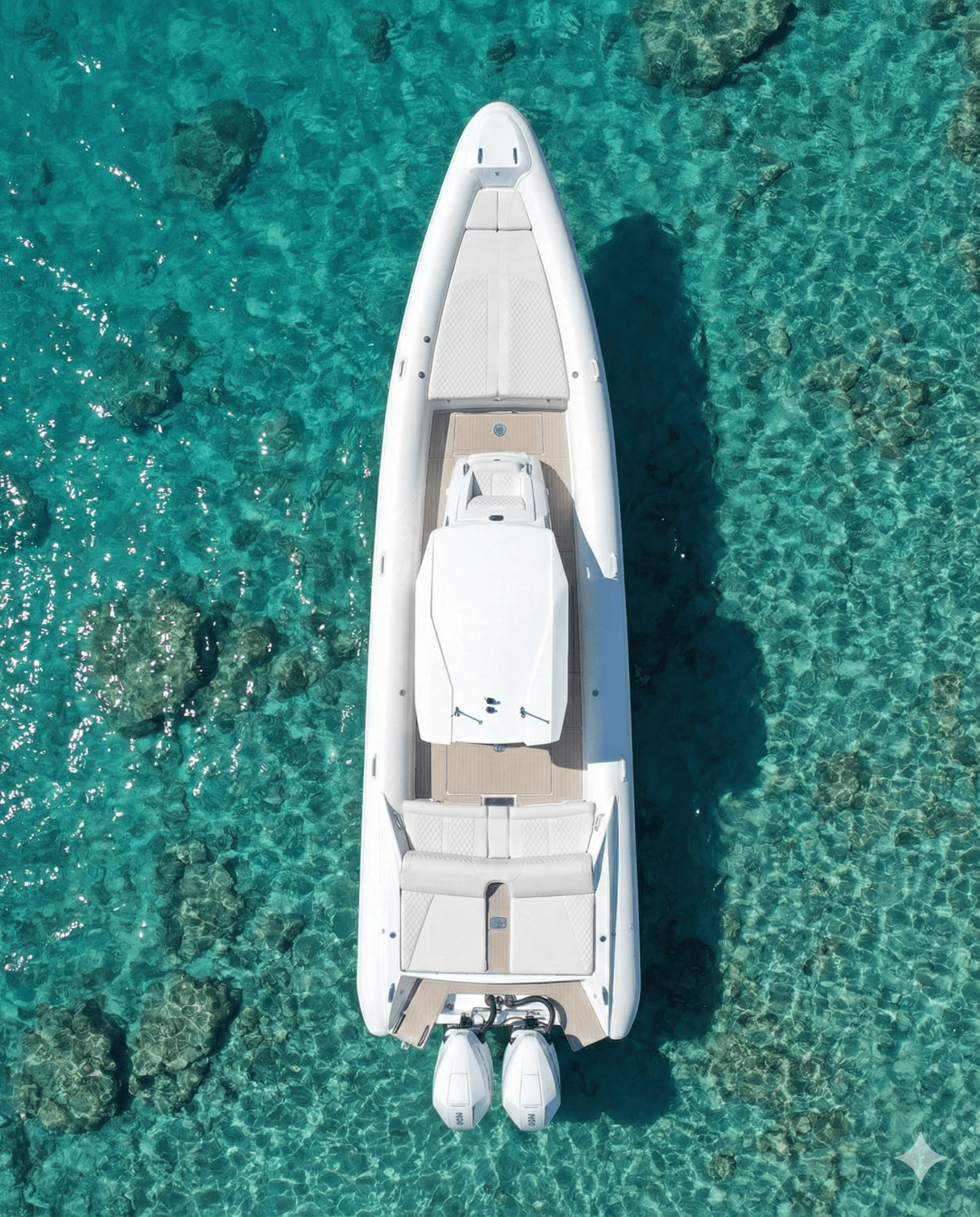
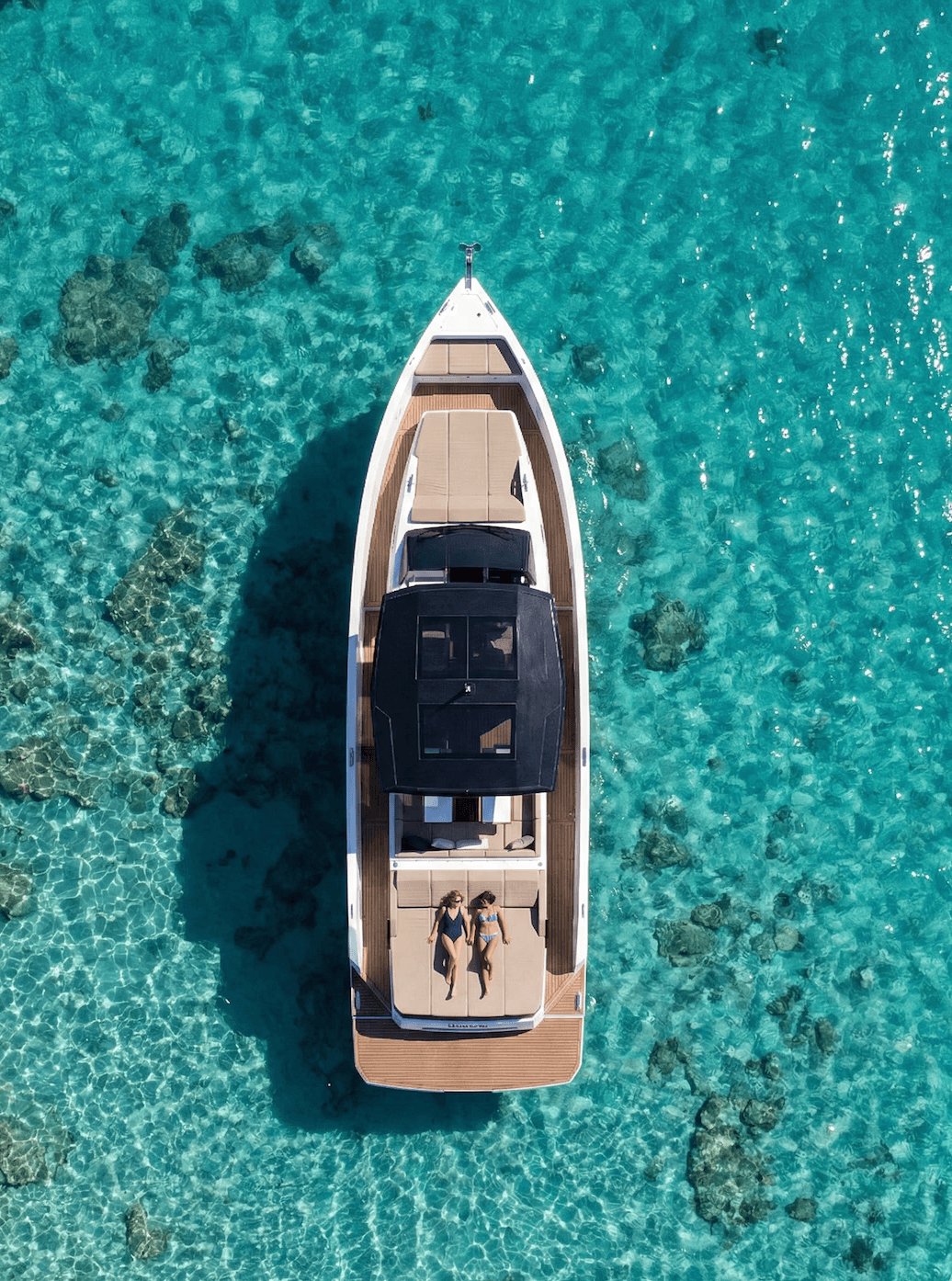
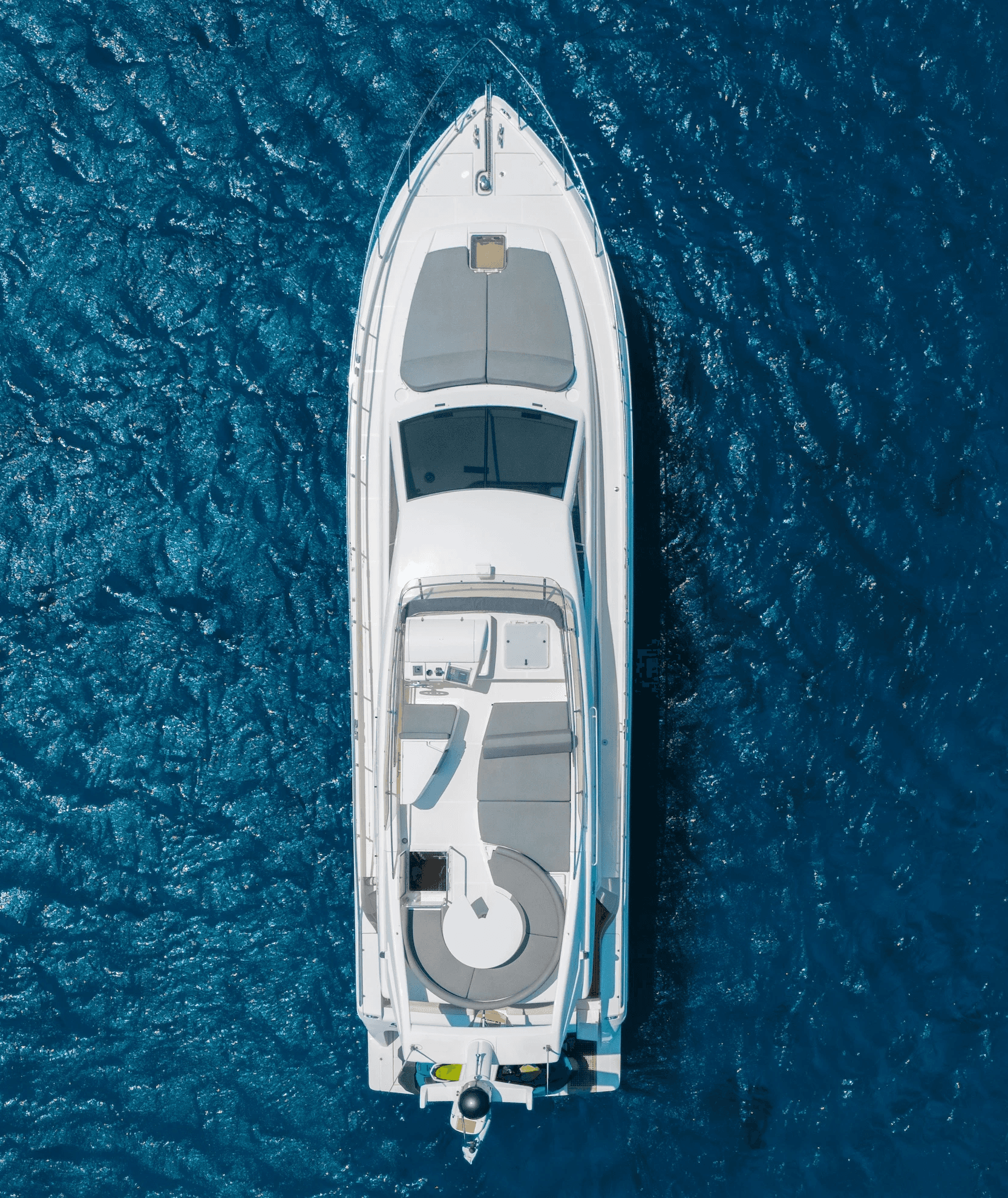
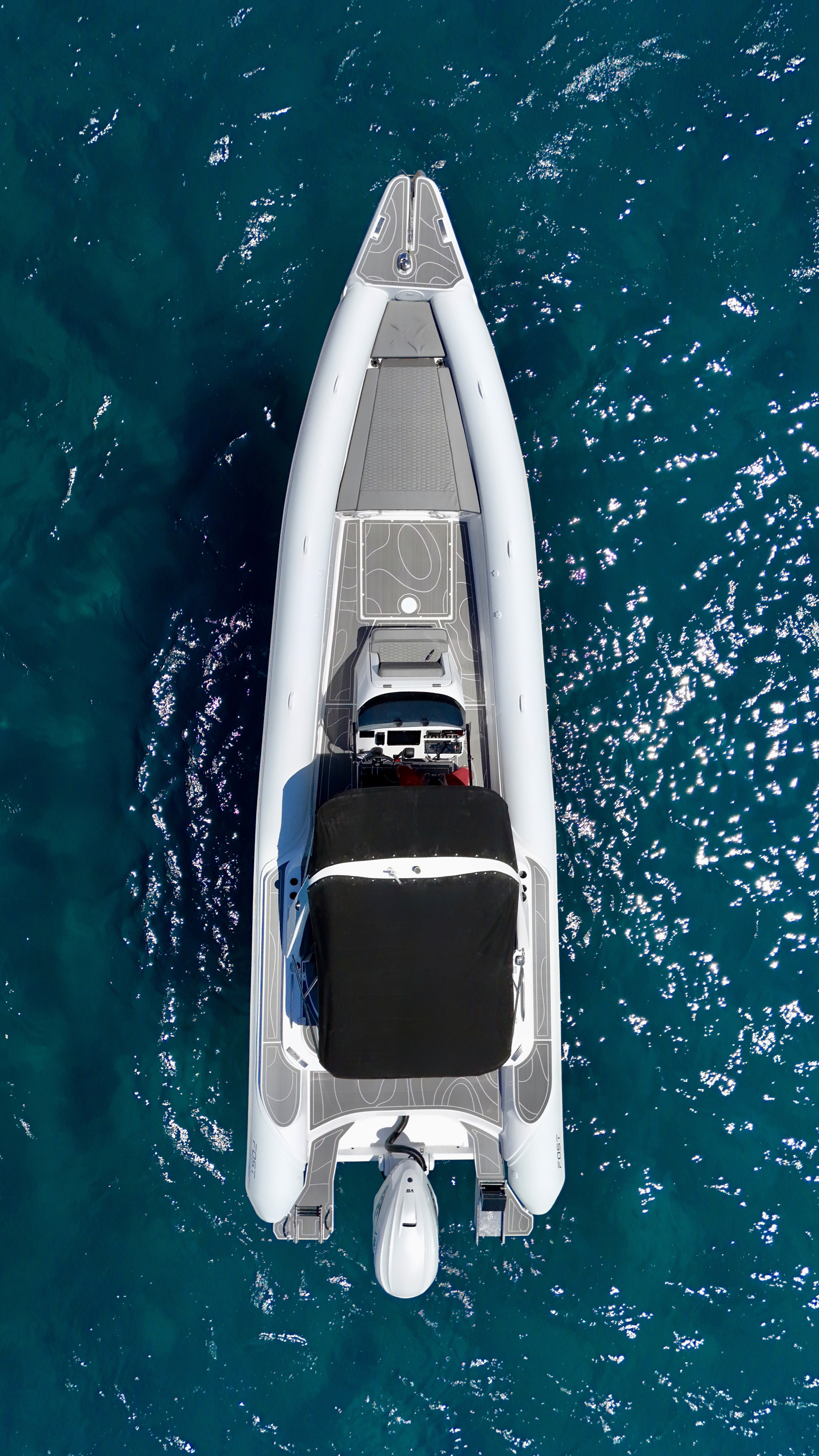
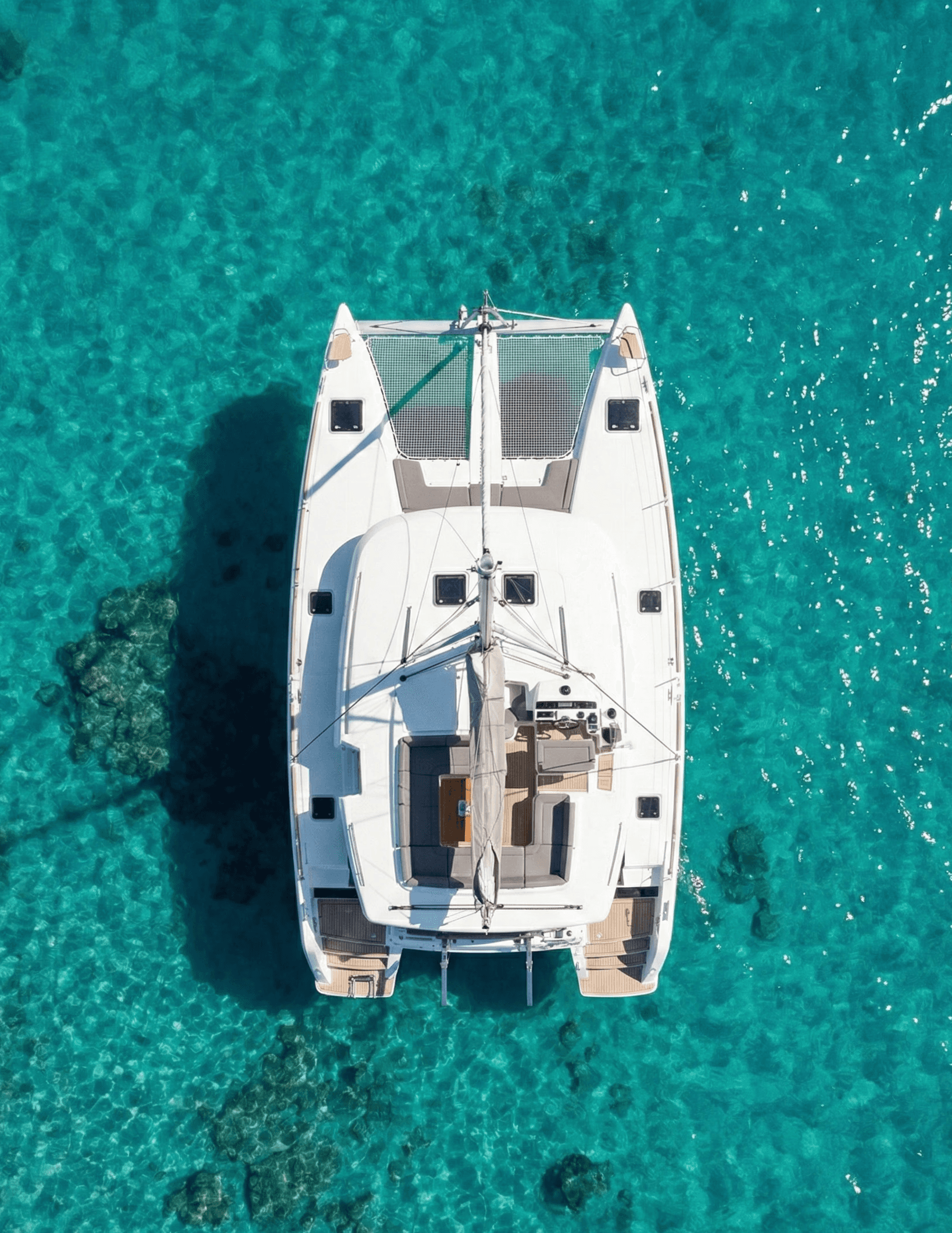
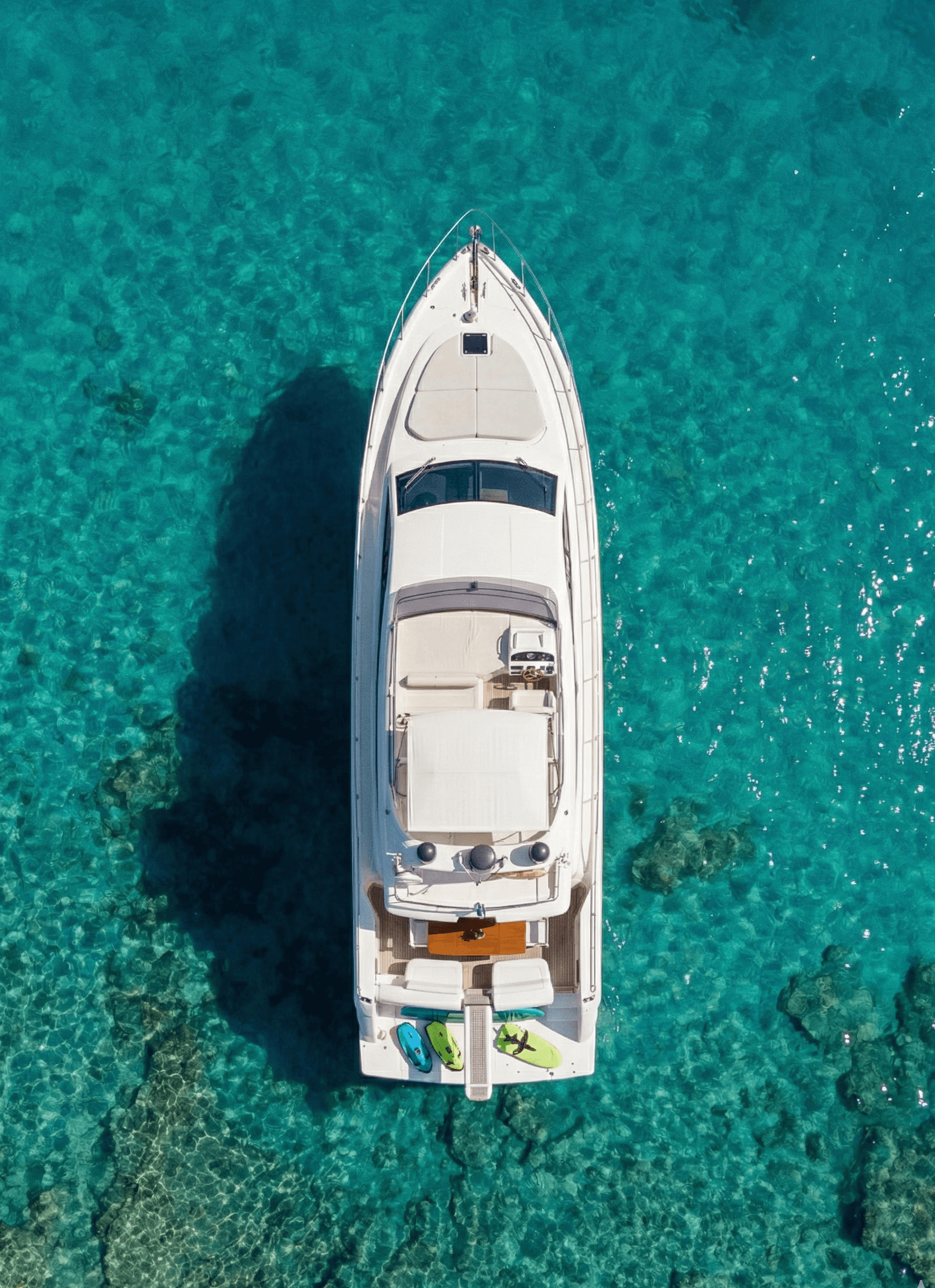
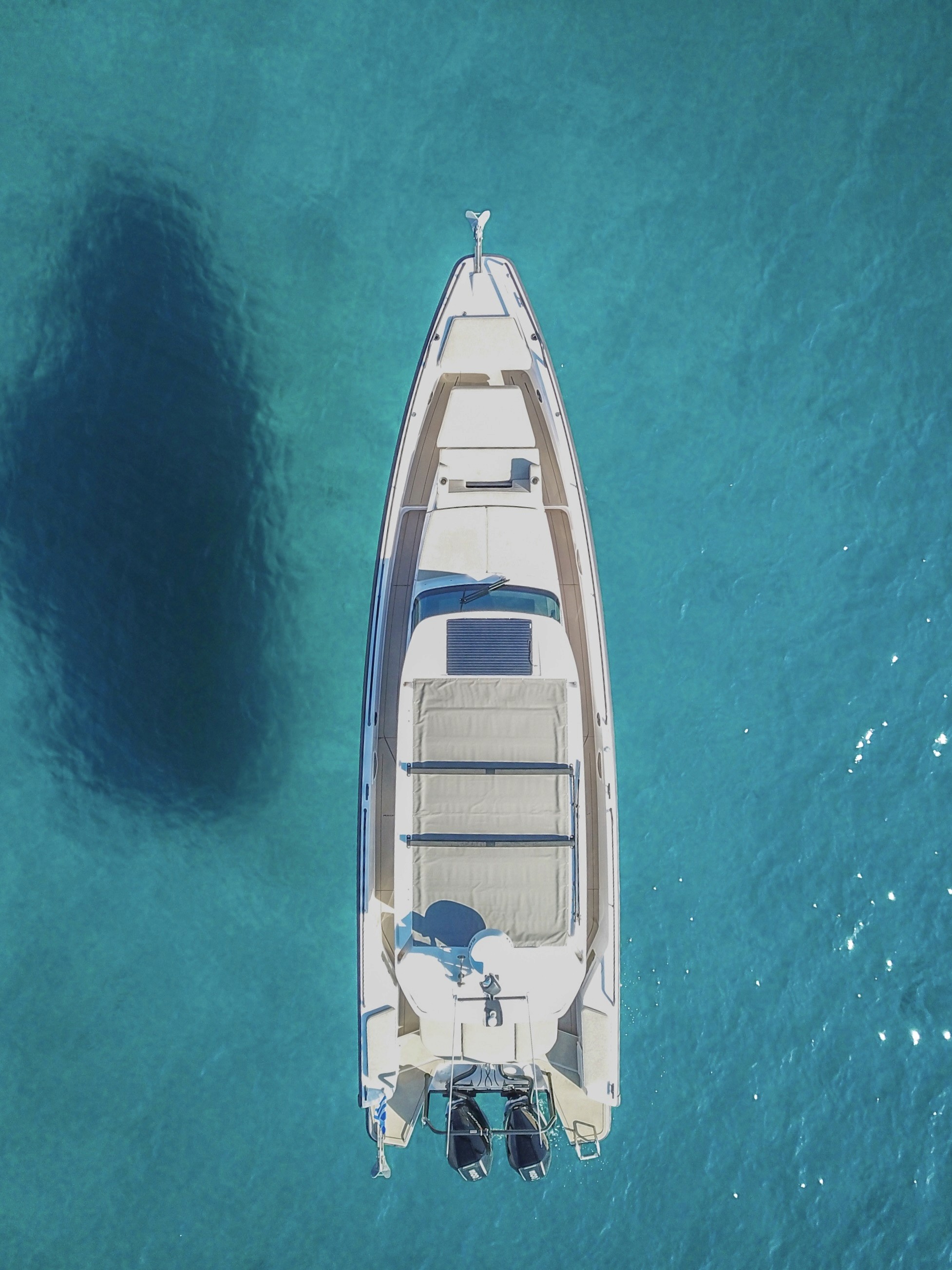
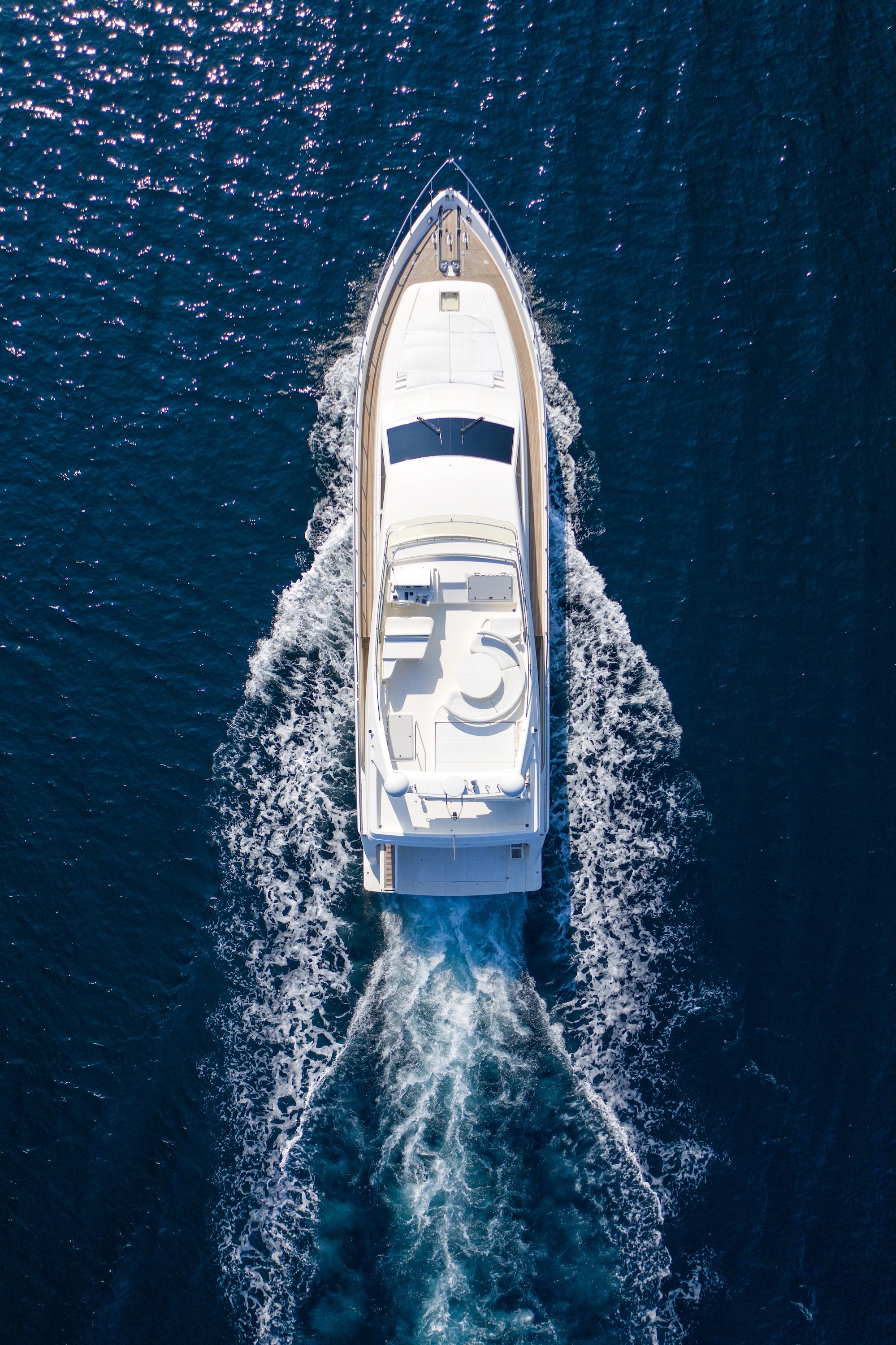
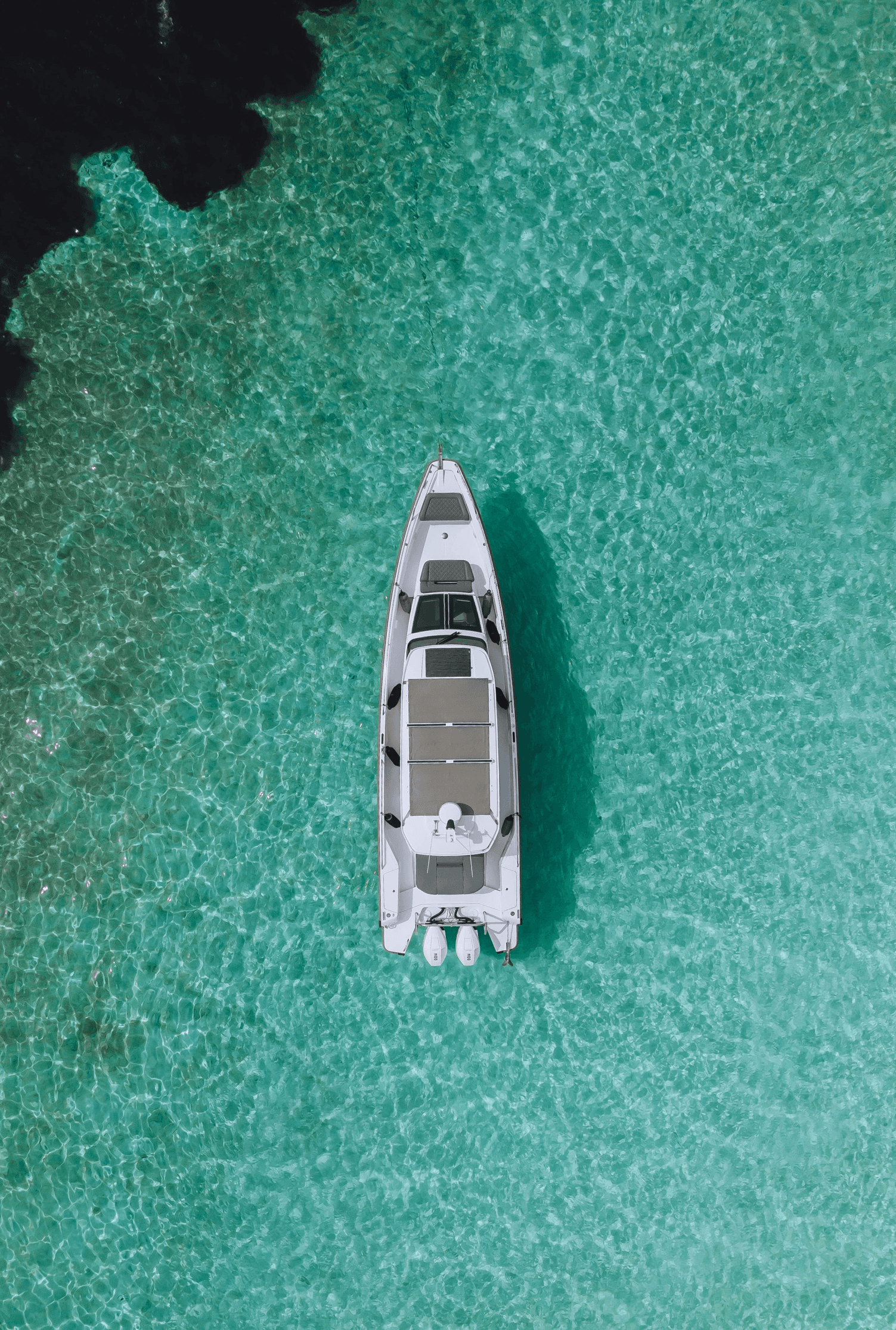
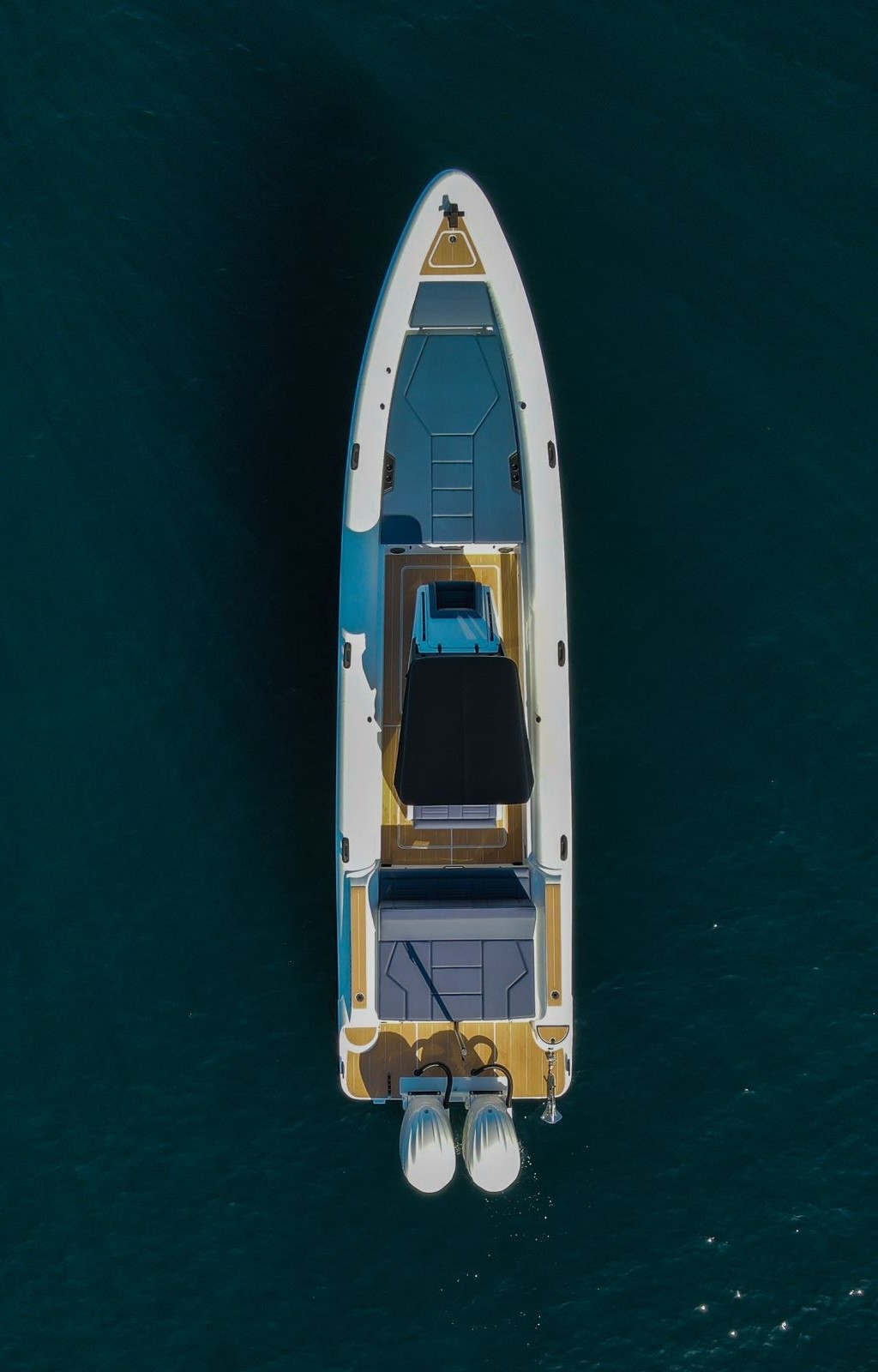
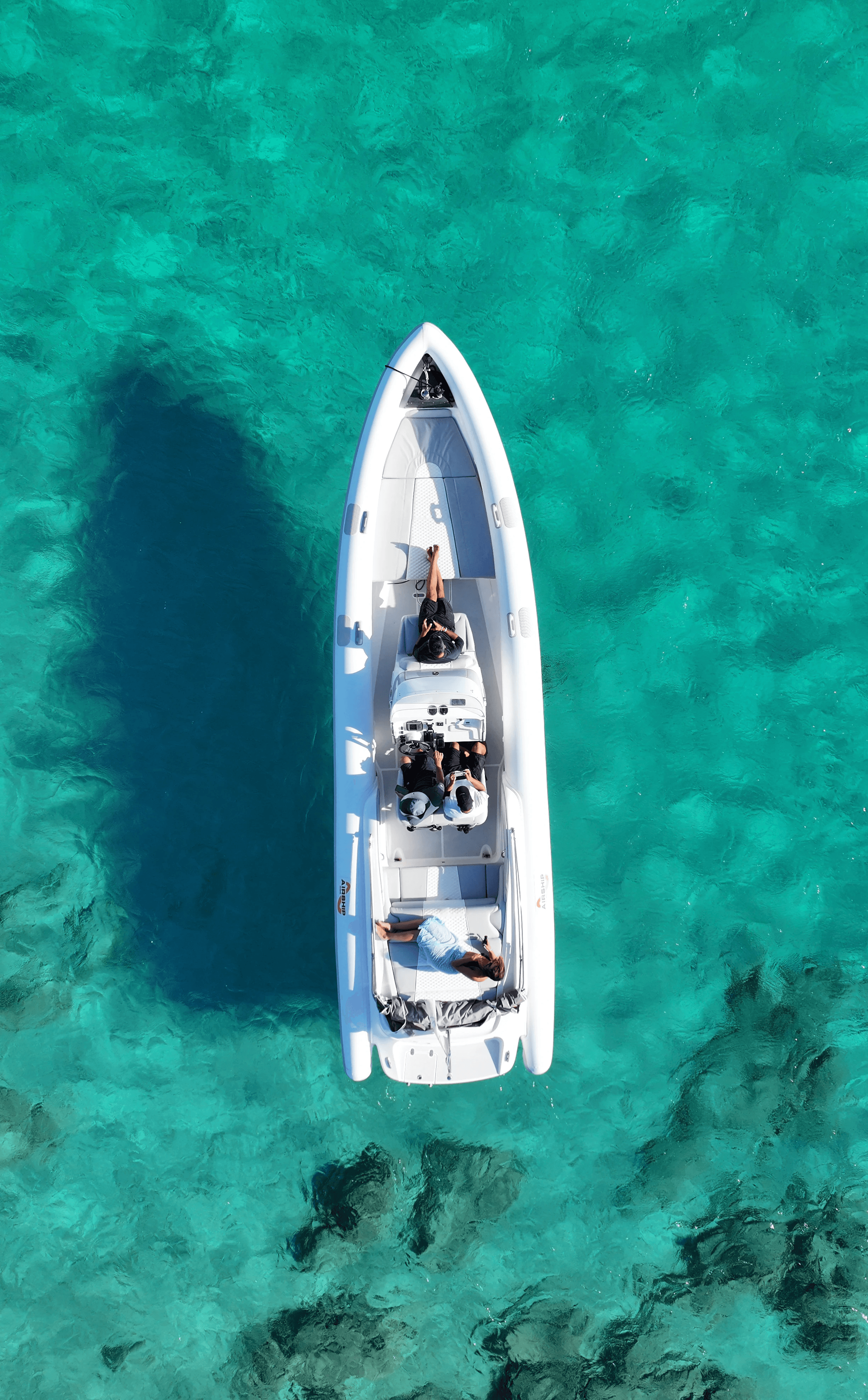
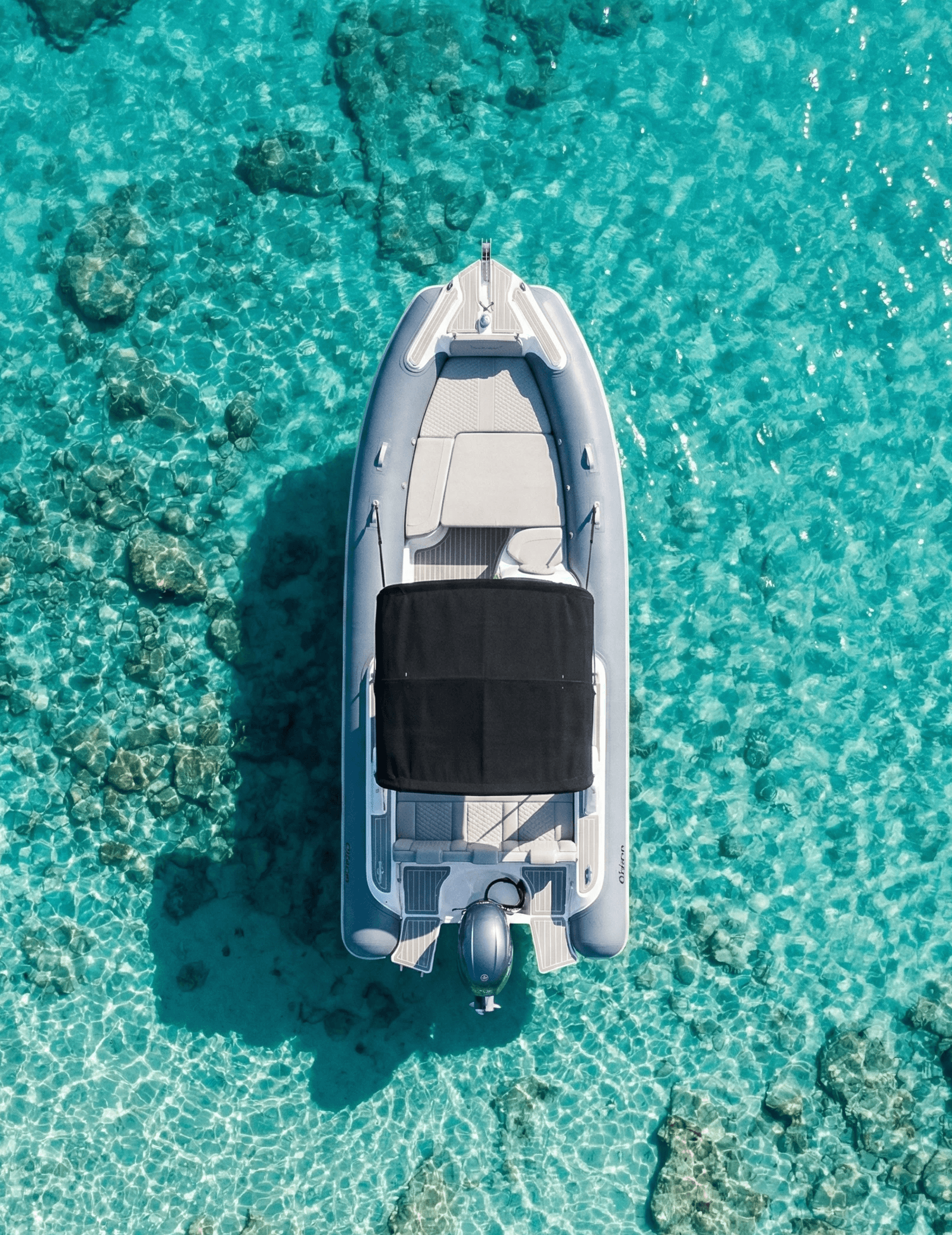
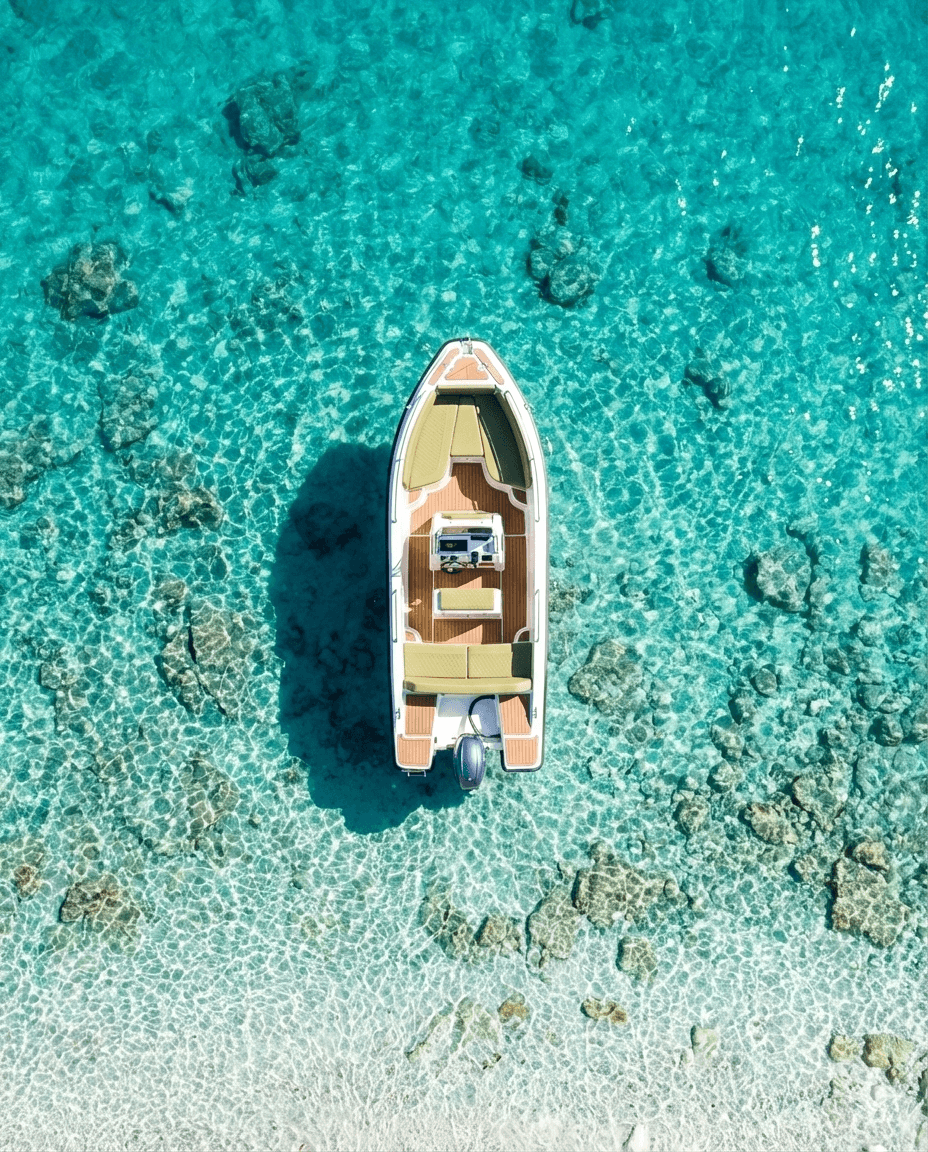
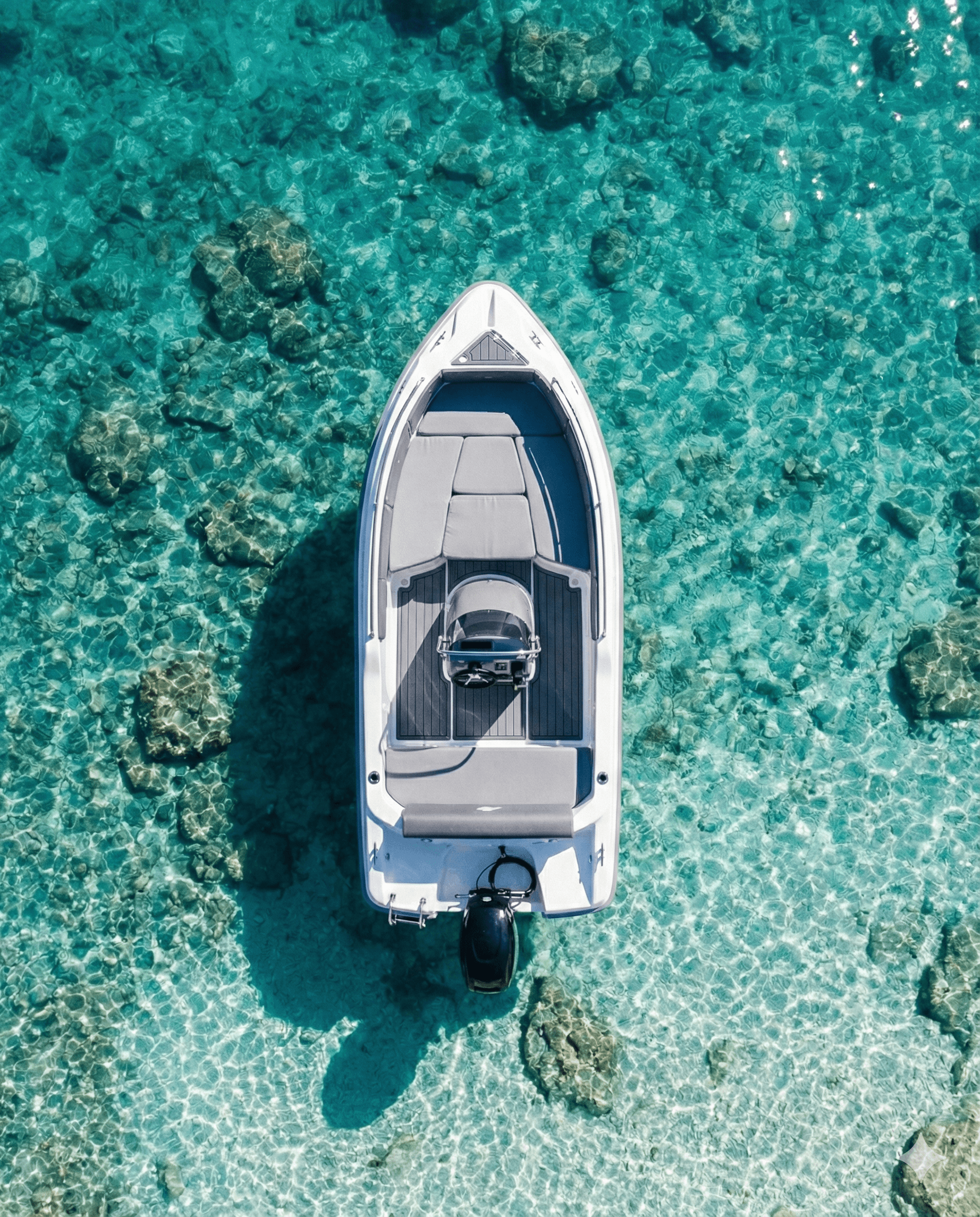
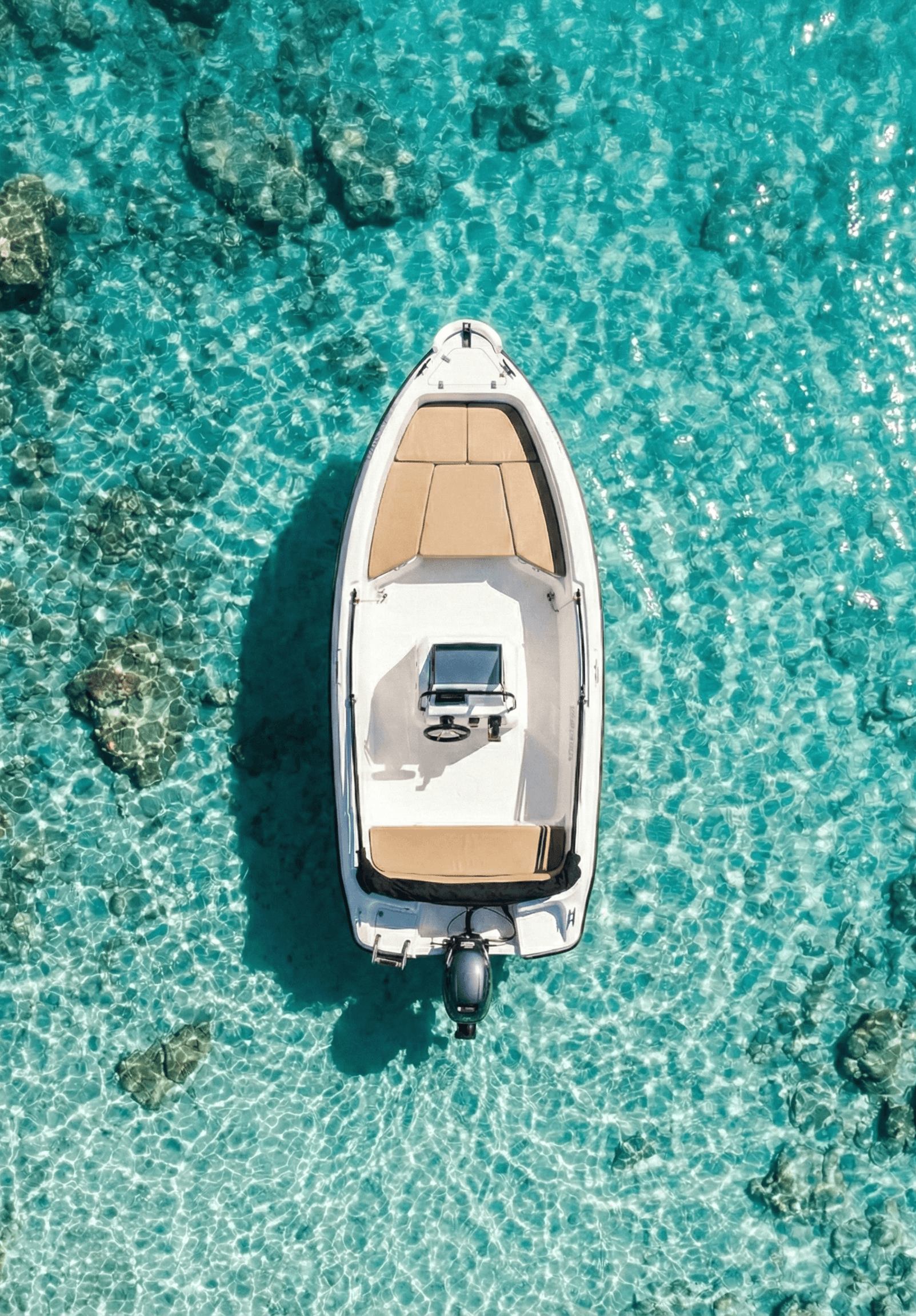
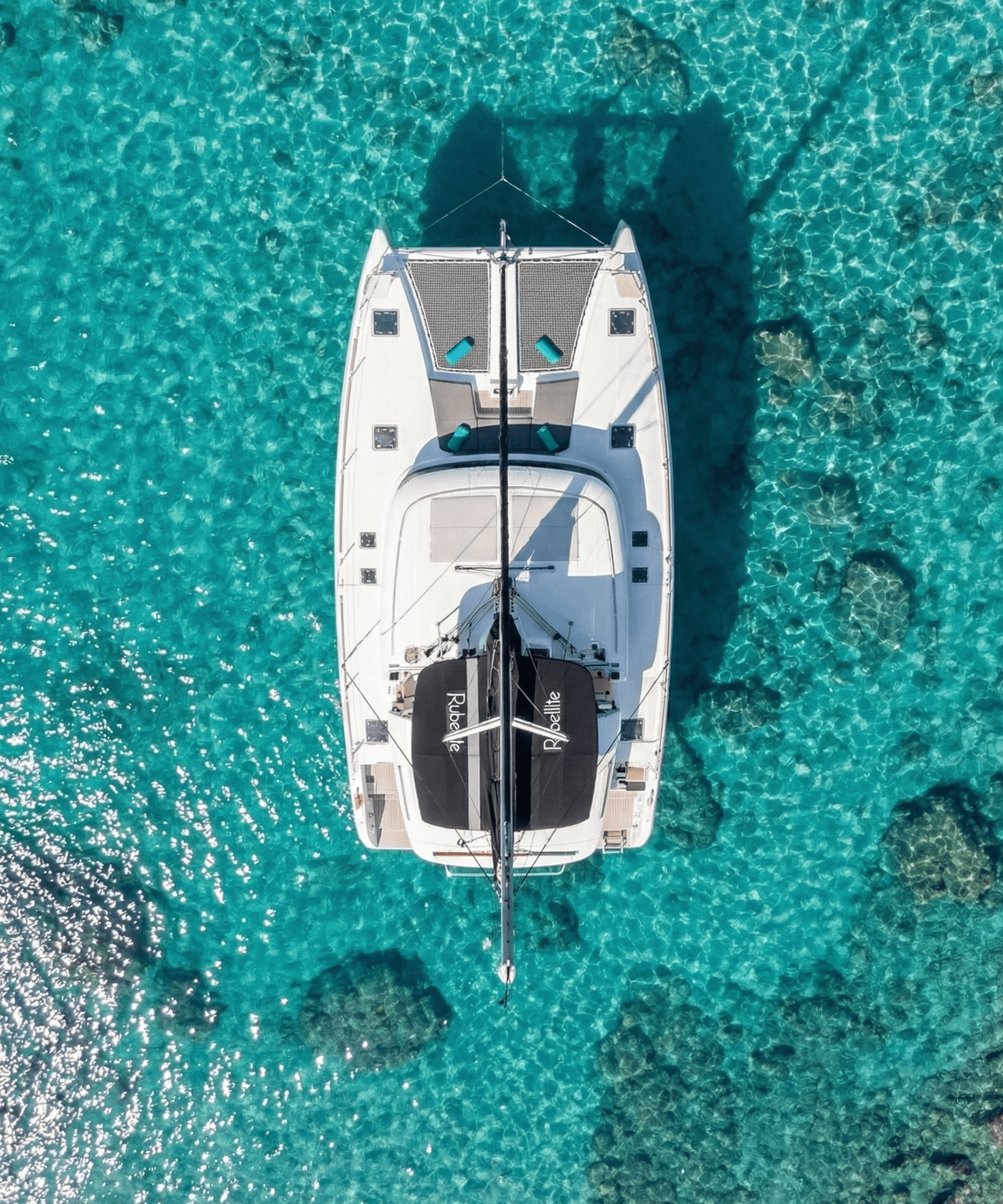
A Despotiko boat trip starts from our base at the Port of Alyki, on the south coast of Paros. With a skipper on board, you can anchor off Despotiko near the sanctuary of Apollo, swim in the clear blue lagoon waters between Antiparos and Despotiko, and follow the Antiparos coast home. Our fleet includes premium RIBs, motor yachts and catamarans for skippered trips, plus license-free boats for shorter outings close to Alyki.
At Yrian Cruising, this connection to the Aegean is at the heart of how we work. We believe discovering the Greek islands is about more than reaching beautiful places. It is about understanding their character, appreciating their stories and feeling the freedom that has drawn people to these waters for centuries.
The Aegean has never been just a place to cross. It is where stories begin.
Ready to follow the route yourself? Book your private boat tour from Paros and see Despotiko from the water.
Yrian Cruising. Driven by the Sea. Defined by Experience.
Frequently Asked Questions
OUR FLEET
Premium Boat Rental Experience

Start planning your private cruise today.
Looking for the best Paros boat tour? Yrian Cruising offers license free, private, or skippered boat tours in Paros, Antiparos, the Blue Lagoon, and Cyclades.